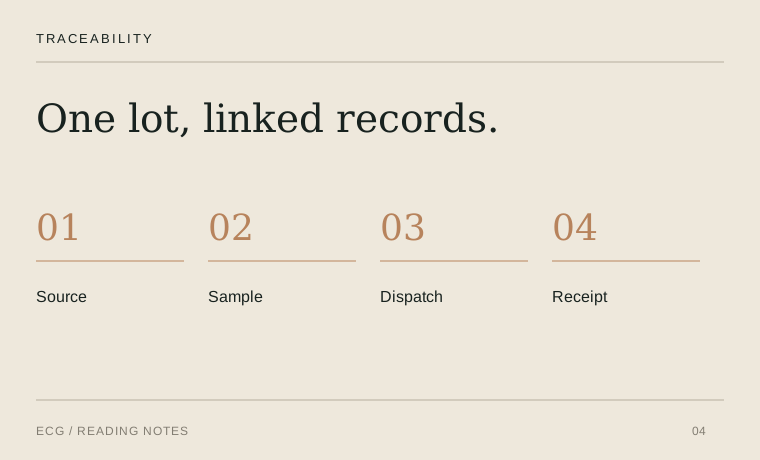
Assign a lot reference and use it throughout the file. Record splits, blends and transfers so that a reviewer can follow the same material through successive transactions.
A traceability file should let a reviewer follow a lot from its recorded source through each handover. When identifiers change or material is blended, the file needs to explain the connection.
The OECD’s mineral-supply-chain guidance takes a risk-based approach to responsible sourcing. It addresses management practices and supply-chain risks; the records described below are practical suggestions for organising the information available on a transaction. [1]
Define the object being traced
Give each lot an identifier before it enters the commercial process. Record the source information available, the material description, its location and the person responsible for it. Keep the identifier consistent in sampling instructions, photographs, movement records and settlement documents.
When a lot is split, record the relationship between the parent lot and each resulting lot. When material is blended, record the inputs and the new lot identity. Make sure the people handling the material use those references on the physical lot and its records.
Record physical handovers
For each physical transfer, record who released the material, who received it, when the transfer took place and what quantity was recorded. Preserve the supporting reference, whether a weighbridge record, dispatch instruction or receiving record.
Explain differences rather than forcing every number to match. Moisture changes, weighing arrangements or handling losses may require investigation. Keep the discrepancy, explanation and supporting records in the reconciliation.
Keep sample custody separate but connected
A sample has its own chain of handling. Link its identifier to the material lot, record who collected it and document transfers to preparation facilities or laboratories. Preserve the report reference and any retained-sample arrangements.
Where a sample is not representative of a larger lot, say so. A traceable specimen can establish the history of that specimen without establishing the composition of an entire cargo. Those are different questions.
Preserve the original evidence
Keep source documents and amendments with a clear version history. A corrected record should explain what changed, why it changed and who approved the correction. Avoid overwriting information needed to understand an earlier decision.
Access should reflect roles. Not every commercial participant needs every personal identifier or confidential agreement. Prepare a shareable review package and a controlled underlying evidence file, with agreed arrangements for independent review where necessary.
Design the process for exceptions
What happens if a seal is broken, a lot is moved unexpectedly or the recorded quantity differs materially? Assign a person to investigate and define whether the next stage pauses. The procedure should identify who may release the lot after an exception has been investigated.
Keep unresolved issues visible. An exception log should have a description, supporting evidence, an owner, a proposed action and a closure decision. A concern is not resolved simply because another shipment is due.
Test the record-keeping system
A controlled spreadsheet, a consistent file structure and disciplined physical identification can be a sensible starting point. Choose a system that the people receiving, sampling and dispatching material can maintain consistently.
Ask a colleague who did not handle the transaction to reconstruct one lot’s handling history. Where that person encounters an unexplained gap, improve the record or the operating procedure. Repeat the exercise after changes to the source, route or record-keeping system.
References
The linked sources support the referenced information. Checklists and review questions are ECG’s editorial suggestions. This article provides general information, not advice on a particular transaction. External references do not imply an affiliation or endorsement.
Preparing a purchase or project enquiry?
The resource page includes templates for buyer requirements, source checks and project introductions.
View the templates